By Jeff Tollefson
Executive Director
Genesys Works Twin Cities
This Friday marks National AI Literacy Day, a moment that should prompt more than curiosity about emerging technology. It should force a harder question: Are we preparing Minnesota’s young people for a workforce already being reshaped by artificial intelligence?
The honest answer is: not yet.
Across industries, AI is no longer a future concept. It is actively transforming how work gets done—automating routine tasks, augmenting decision-making, and redefining the skills employers value most. Increasingly, those skills are not just technical. They include critical thinking, adaptability, digital fluency, and the ability to work alongside intelligent systems.
Yet our education system remains largely disconnected from this reality.
Minnesota’s high schools are filled with talented, capable students. But too many graduate without a clear understanding of how their academic learning connects to real-world careers, let alone how AI is changing those careers. At the same time, employers across the state struggle to find talent prepared for modern, tech-enabled roles.
This disconnect is not just an education issue. It’s an economic one.
Recent research from Lightcast and the Minnesota Business Partnership titled “Minnesota’s Vanishing Workforce,” highlights a looming challenge: slower population growth, an aging workforce, and persistent gaps in workforce participation. If we are to sustain economic growth, the report indicates we must do two things simultaneously—unlock the potential of historically overlooked talent pools, particularly within immigrant communities and communities of color, and dramatically increase productivity through technology adoption.
AI sits at the center of both. But AI literacy cannot be taught effectively in isolation. It must be experienced.
That’s why experiential learning, particularly meaningful, paid internships, has never been more important. When students are placed inside real workplaces, they don’t just learn technical skills. They develop professional habits, confidence, and the ability to apply classroom knowledge in dynamic environments. When those environments are increasingly AI-enabled, students gain exposure to the very tools and workflows that will define their future careers.
This is where stronger partnerships between education and industry become essential.
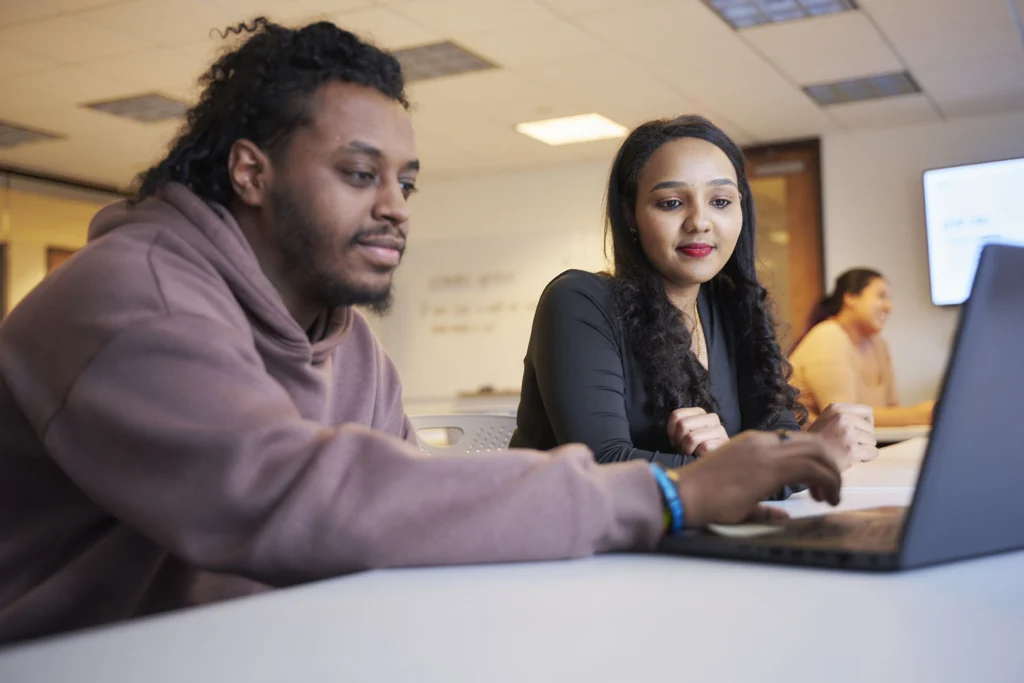
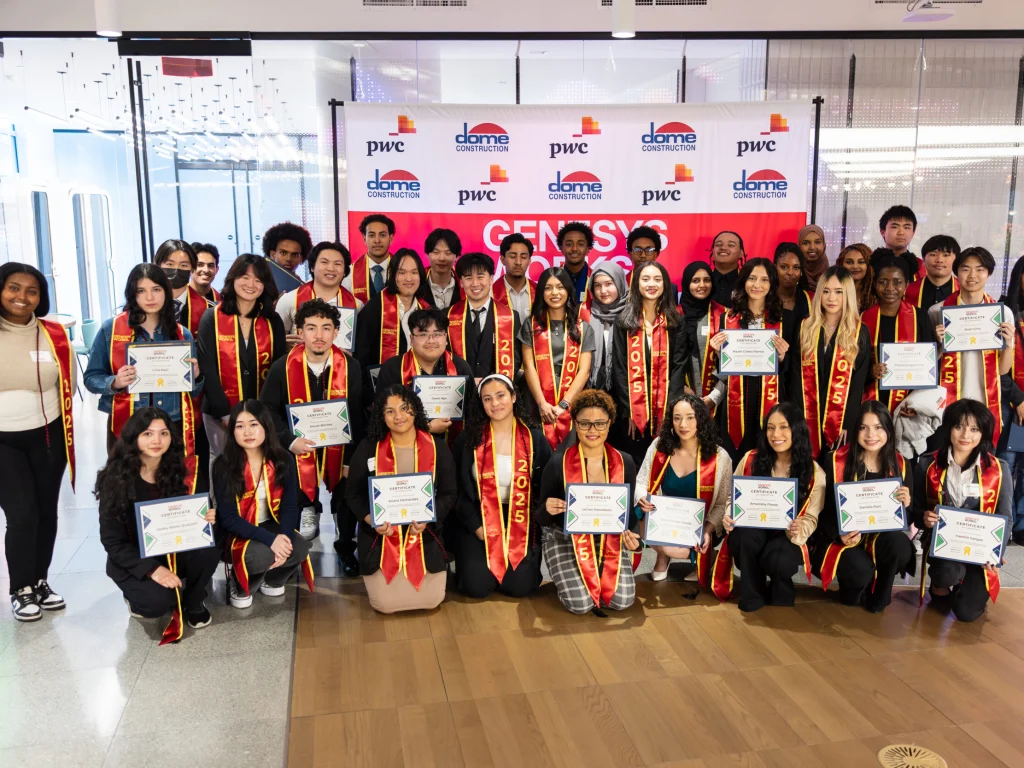
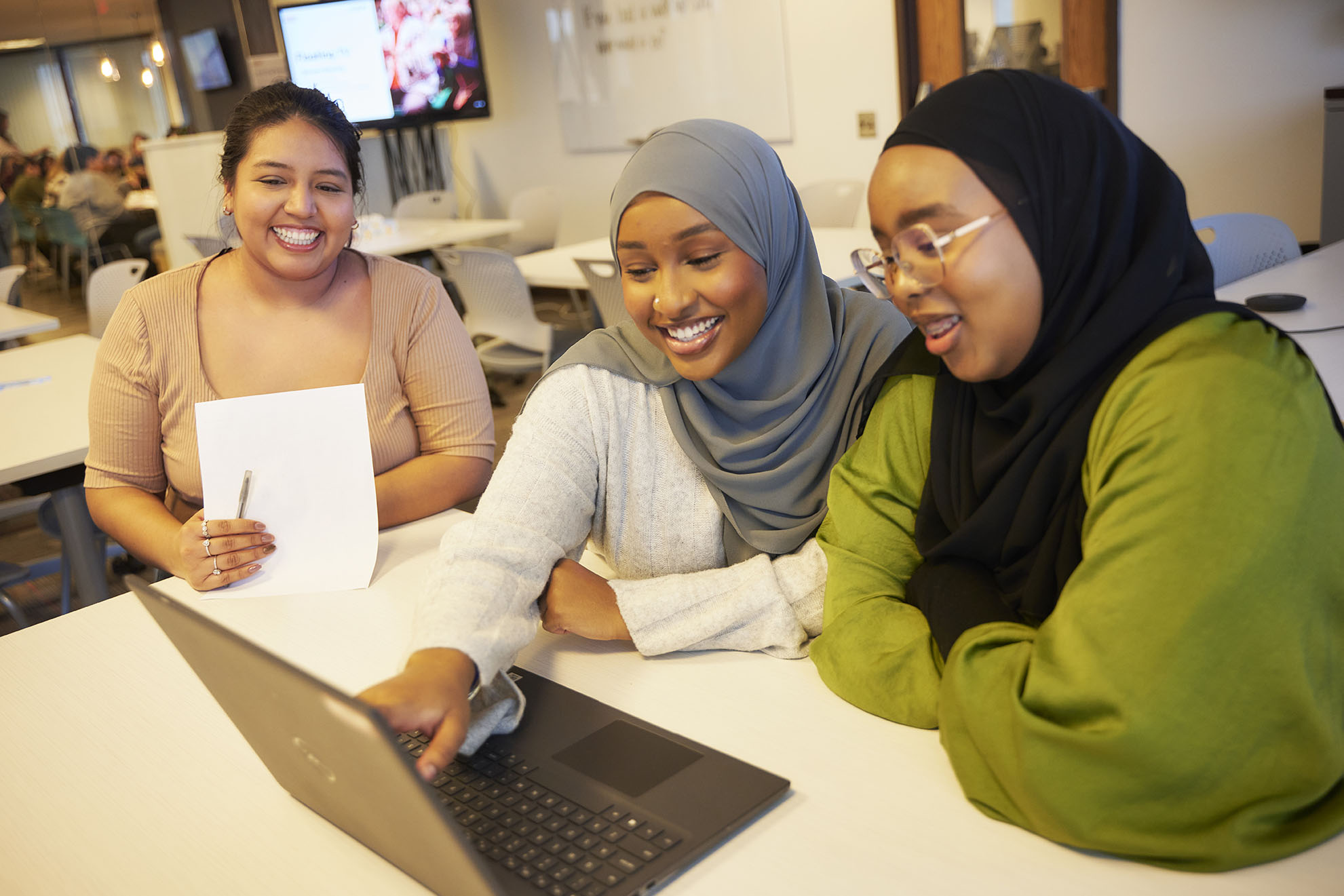
Programs like Genesys Works Twin Cities are demonstrating what’s possible. By connecting high school students, many from historically underserved communities, with paid, year-long internships at leading companies, they create a bridge between classroom learning and career pathways. Students gain hands-on experience, businesses gain motivated and capable talent, and both benefit from a more inclusive and future-ready workforce pipeline.
This model is not just impactful, it’s scalable. But it requires greater participation from Minnesota’s business community.
The recently released U.S. Department of Labor Artificial Intelligence Literacy Framework reinforces this point, emphasizing that AI readiness is not solely about technical instruction. It highlights the importance of contextualized, real-world learning experiences that allow individuals to engage with AI in practical settings. In other words, the workplace itself has become a critical classroom.
Employers can no longer afford to be passive consumers of talent. They must become active co-creators of it. That means investing in internships, project-based learning, mentorship, and early career exposure, particularly for students who have historically been excluded from these opportunities. It also means rethinking talent strategies to prioritize potential and adaptability alongside traditional credentials.
For educators, it means continuing to evolve curriculum and embrace partnerships that bring relevance and real-world context into the classroom.
And for policymakers and community leaders, it means supporting models that connect these systems more intentionally and equitably.
National AI Literacy Day should not be a symbolic observance. It should be a call to action.
Minnesota has long prided itself on a strong economy and a high quality of life. But sustaining that legacy in an AI-powered future will require a new level of collaboration between our schools and our employers. The talent we need is already here—in our classrooms, in our communities, in students whose potential too often goes untapped.
The question is whether we are willing to invest in their future and invite them into the workplaces that will define it.
In the age of AI, building a workforce isn’t just about filling jobs. It’s about opening doors of opportunity and ensuring that all students have the skills and access needed to be part of Minnesota’s economic future.